
Building for the long term
Sustainability at Kidbrook
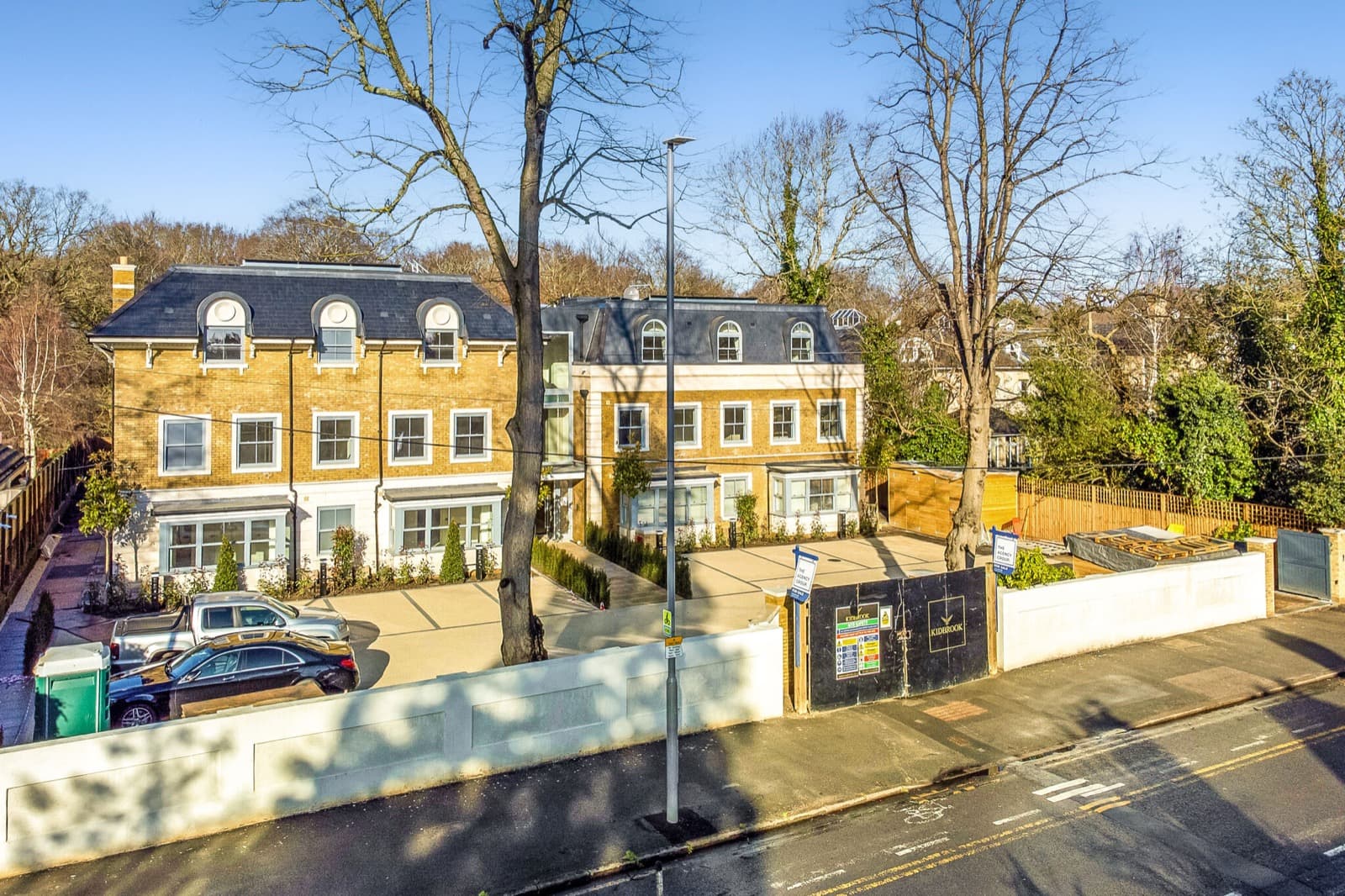
Sustainability for a small housebuilder is rarely about grand gestures. It's about every spec we sign off, every U-value we hit, every mature tree we keep. We build homes that meet, and where we can exceed, the latest UK Building Regulations, and we design them to last.
Built to current standards
Our current developments are built to the 2021 uplift to Building Regulations Part L, which cut CO₂ emissions by around 31% compared with the previous standard. We are designing newer schemes to meet the Future Homes Standard, which comes into force on 24 March 2027 and requires new homes to emit at least 75% less carbon than homes built to 2013 standards.
All our homes are covered by a 10-year warranty, and we build to the highest standards alongside the regulations.
Low-carbon heating and electricity
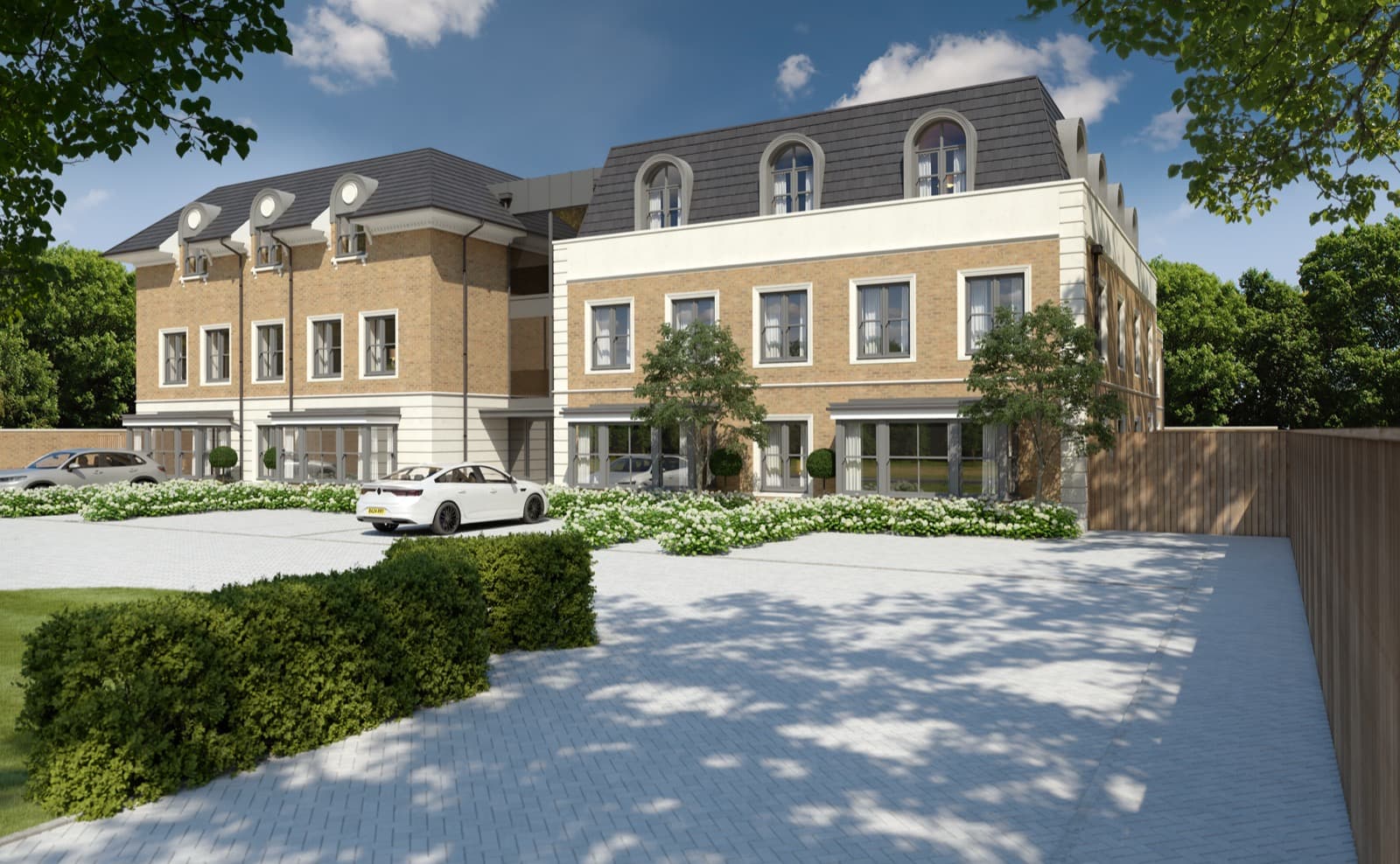
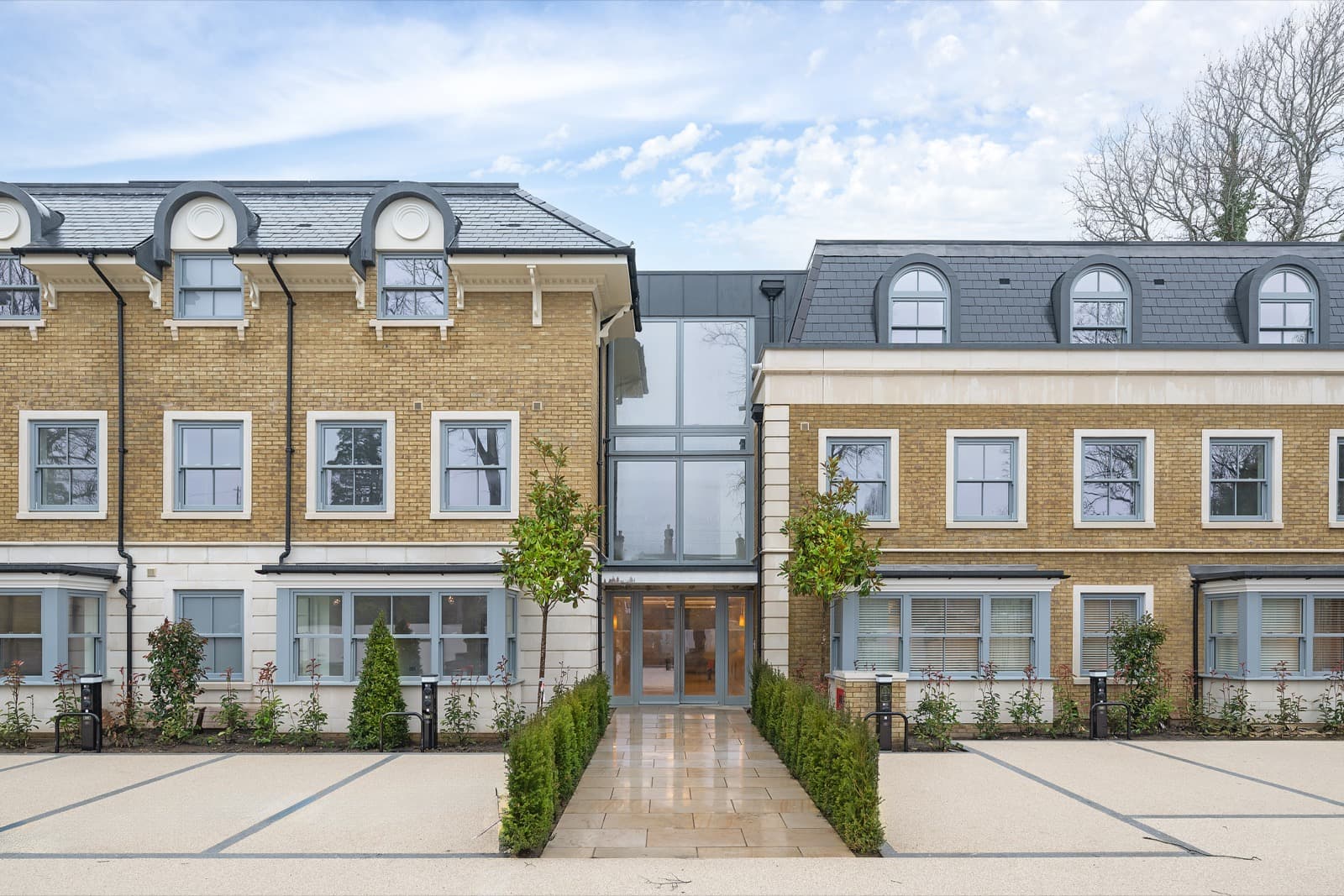
Our homes at Ockford Road in Godalming are heated by air source heat pumps, which are significantly more efficient than gas and ready for a grid that is decarbonising year on year.
Solar PV panels are specified on appropriate developments to reduce grid draw and lower bills for residents. Where roof orientation and planning allow, we increase the array size to maximise generation.
EV charging points are provided in line with Building Regulations Part S, which came into force on 15 June 2022.
Fabric-first construction
The most reliable way to reduce energy use is to lose less of it through the walls and roof. We build to a high fabric standard:
- High-performance insulation in walls, roof, and ground floor
- Double-glazed argon-filled units with low-emissivity coatings
- Carefully detailed airtightness, service penetrations sealed, junctions thermally bridged
- Mechanical Ventilation with Heat Recovery (MVHR) in apartments to provide fresh air without losing heat
The result: homes that stay warm in winter without constant heating, and stay cooler in summer without constant air conditioning. Quiet, comfortable, and cheap to run.
Water and drainage
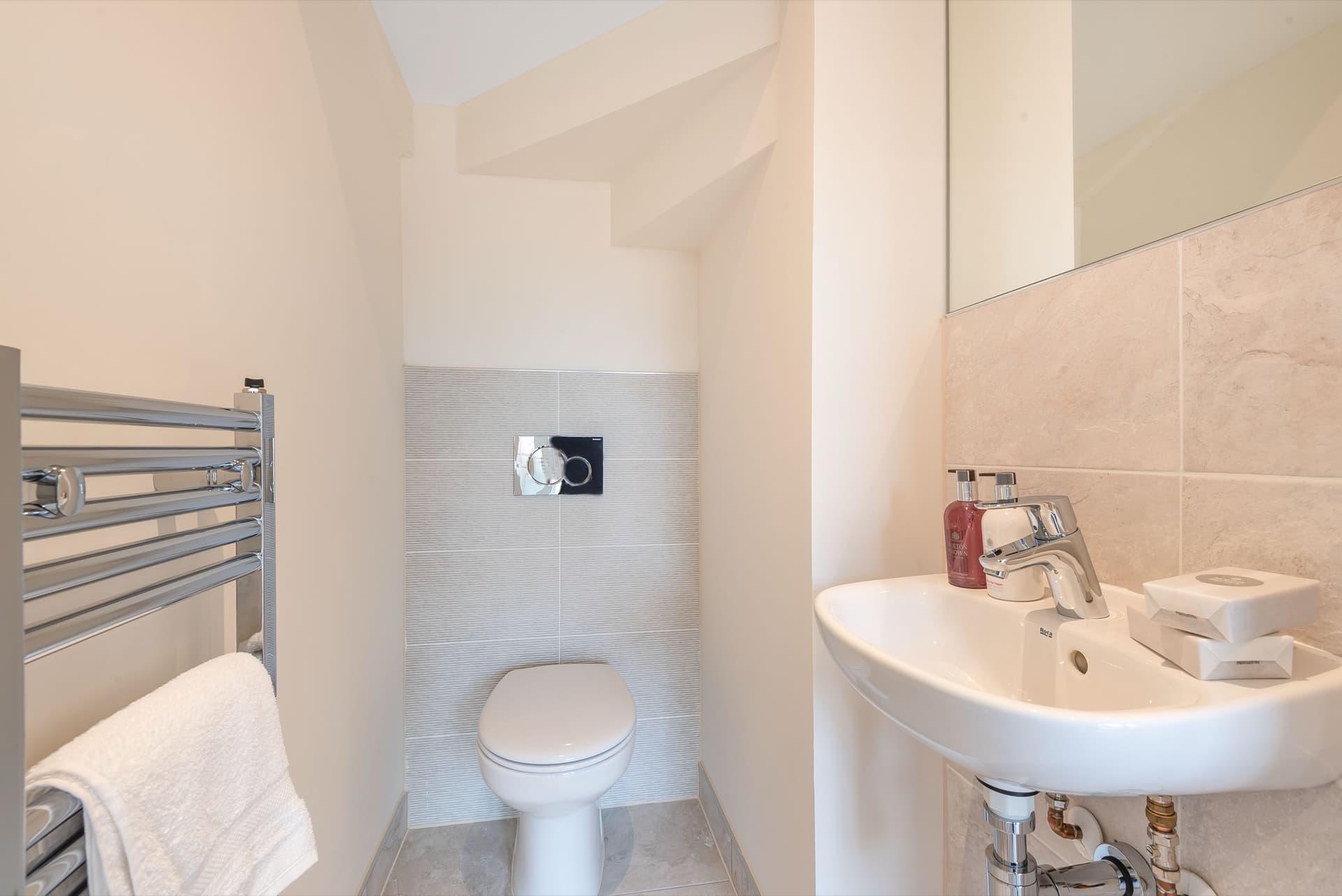
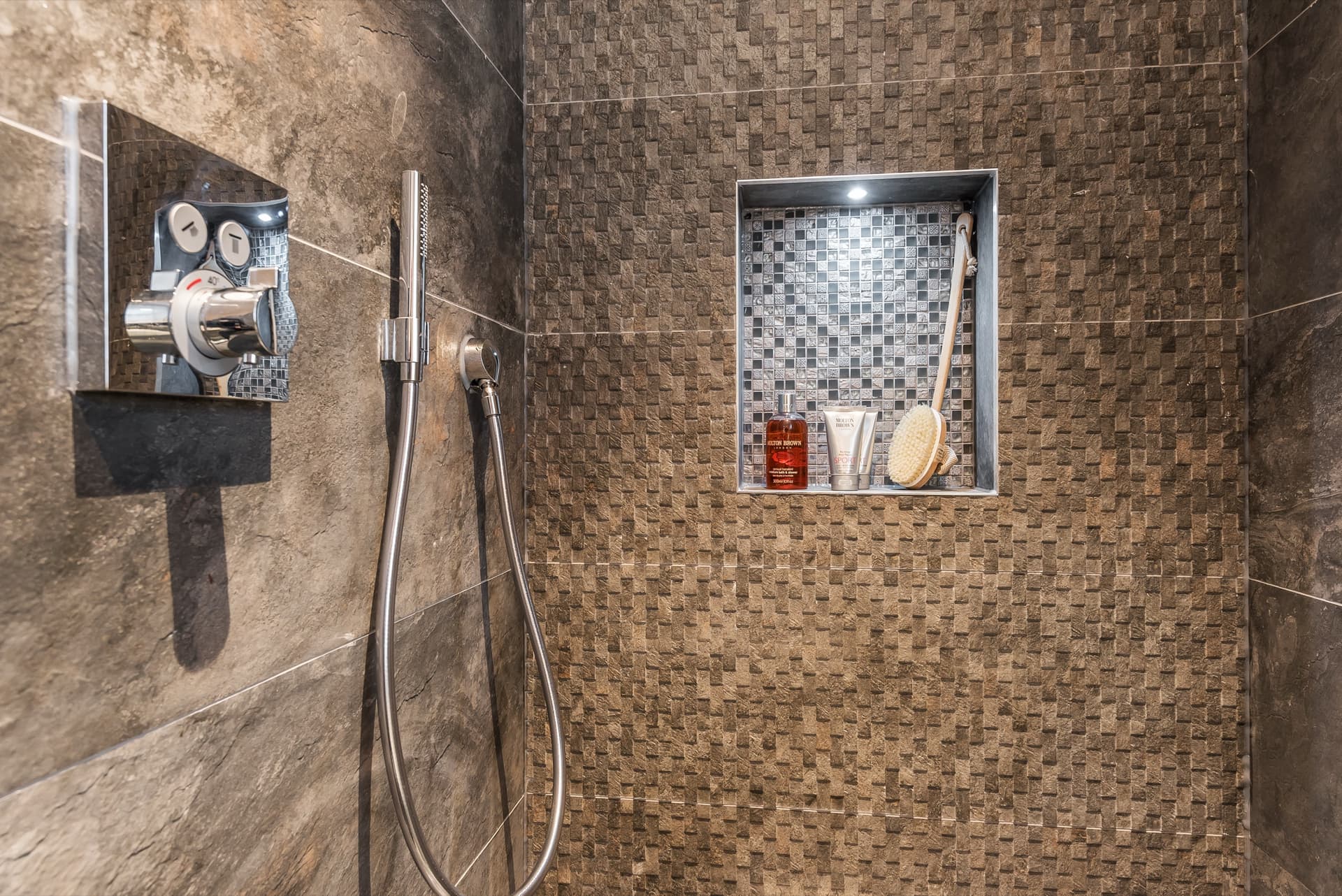
Building Regulations Part G caps household water consumption at 125 litres per person per day; we specify fittings that target the lower 110 L optional standard wherever feasible. Dual-flush WCs, low-flow taps and showers, efficient appliances.
On sites where surface water management matters, we work with engineers on Sustainable Drainage Systems (SuDS), permeable paving, swales, and landscaped detention features so rainfall soaks in locally rather than overloading downstream drains. This is increasingly important as planning authorities require it as a condition of consent.
Biodiversity and landscape
Since February 2024, Biodiversity Net Gain (BNG) has been mandatory in England. Every new development must deliver a measurable 10% increase in biodiversity compared to what was there before. We work with ecologists from the earliest stages to identify habitats worth keeping, design around mature trees, and select native planting that supports local wildlife.
Where appropriate we incorporate small but meaningful habitat features: hedgehog gaps in fencing, bird and bat boxes integrated into walls, log piles in landscaped corners, and pollinator-friendly borders. None of these things on their own change the world, but together, across every site, they add up.
Materials and craftsmanship
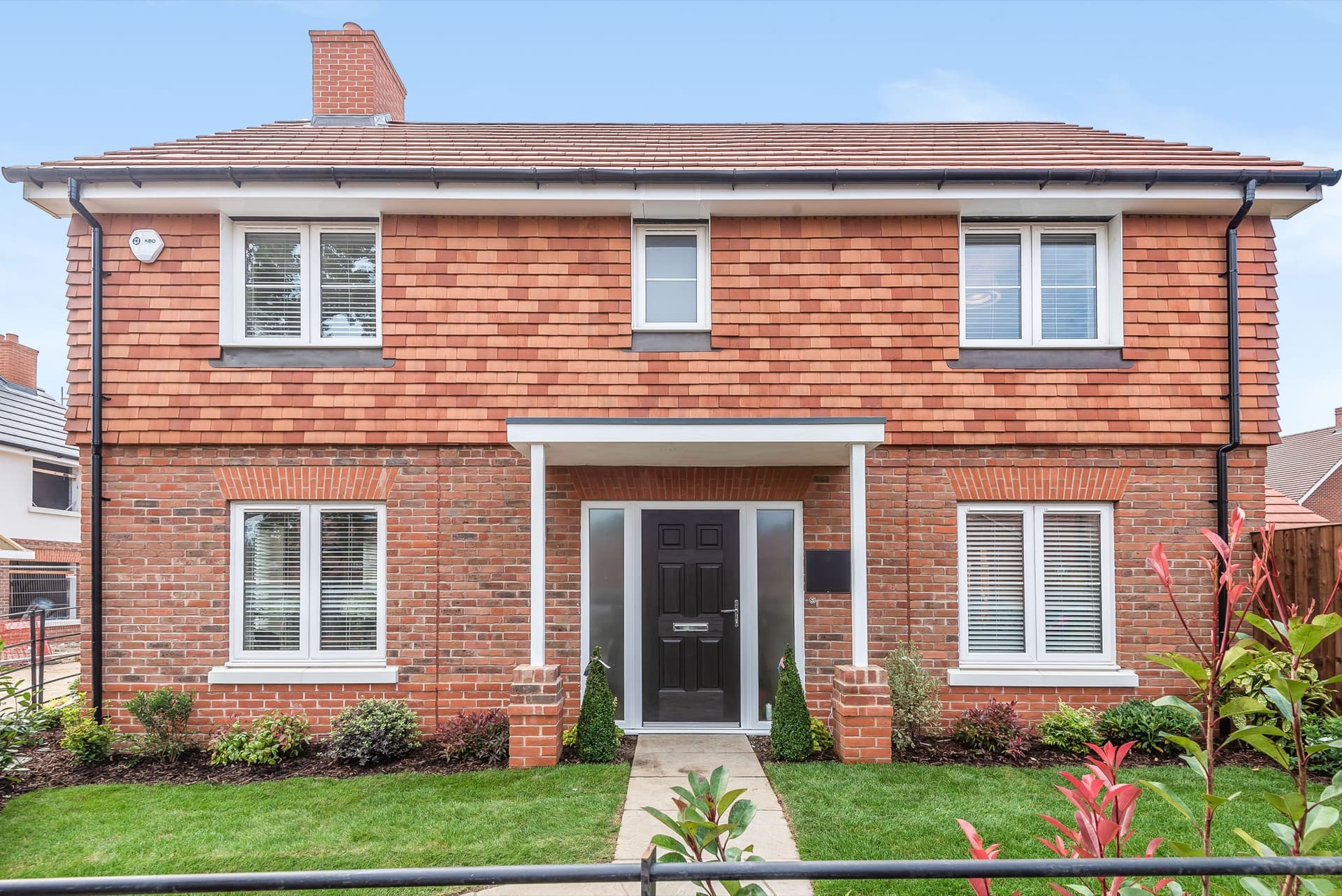
We specify materials that age well and need little maintenance: brick, stone, timber, and quality metalwork. Timber is FSC- or PEFC-certified (responsibly sourced), and we use low-VOC paints and finishes to protect indoor air quality during and after move-in.
The most sustainable building is one that lasts. Hand-finished joinery, generous roof overhangs to protect the brickwork, and traditional construction details aren't nostalgia. They're how a house still looks good in fifty years' time.
Where we're going next
Standards keep rising and so do our specifications. We're paying close attention to:
- Embodied carbon, measuring the carbon cost of the materials themselves, not just operational energy
- Lower-carbon concrete alternatives (cement replacement with GGBS or PFA) where structurally sound
- Smart controls and monitoring so homeowners understand and can manage their own use
- Retrofit lessons from completed stock, what's actually working in occupied homes
If you're a buyer who cares about the detail behind the spec, get in touch. We're happy to talk through the specifics on any current development.
Thinking about your next home?
Our newest developments are built to the standards described here. Explore what's available now.
View Current Developments